-
All-metal solid-state diffusion bonding process
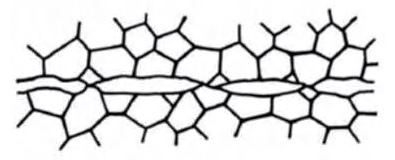
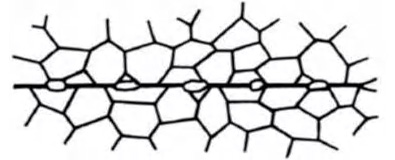
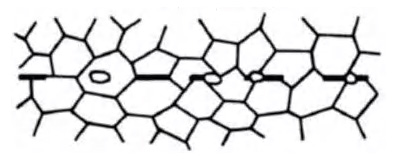
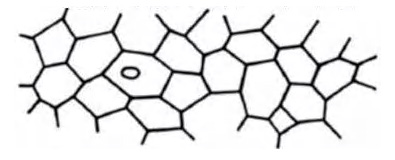
The heat-exchange core adopts an all-metal solid-state diffusion bonding process, achieving metallurgical bonding between multiple layers of metal plates. This eliminates gaskets, brazing layers, and mechanical seals, thereby removing potential leakage points in the structure and ensuring intrinsic safety and long-term sealing reliability under extreme operating conditions.
-
Counter-flow configuration
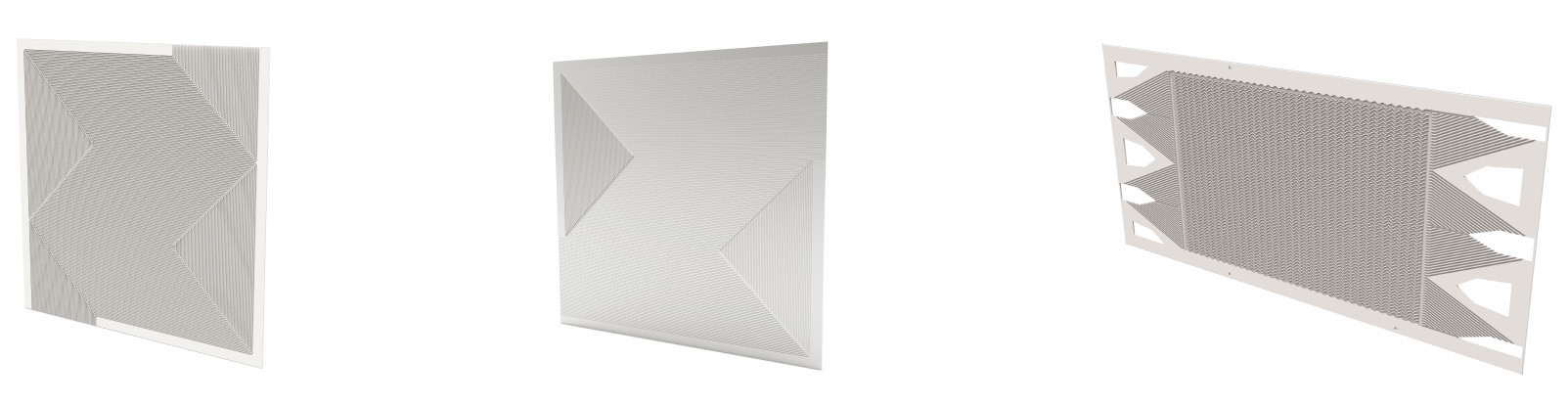
A minimum temperature difference of less than 5°C can be achieved between the hot and cold ends, enabling highly efficient heat recovery. The combination of micro-channel enhanced heat-transfer mechanisms and diffusion-bonding technology significantly improves heat-transfer performance.
-
High integration and multi-medium compatibility
The equipment uses nickel-based alloys, stainless steels, and special corrosion-resistant materials, ensuring compatibility with complex media such as hydrogen, liquid oxygen, and supercritical fluids. It supports multi-stream integration, enabling three or more fluids to exchange heat within a single device to meet the needs of highly integrated systems.
-
Thermal-mechanical coupling for extreme conditions
The core structure is designed to withstand the maximum design pressure of fluids on both sides at the maximum operating temperature. It offers excellent thermal-mechanical coupling capability and is suitable for ultra-high-pressure, cryogenic, and high-temperature environments.